
You show the benefits. They see what they might lose.
You see progress. They see a loss of control, certainty or familiar routines. More benefits do not address their concerns.
Change Communication and Engagement
You explain what the team stands to gain. You describe how the new approach will be better. Yet people keep working as before. To help them move forward, you need to understand what is keeping them where they are.
Prepare your team to explain why the change matters, reduce barriers and build readiness to act.
Sound familiar?
You see progress. They see a loss of control, certainty or familiar routines. More benefits do not address their concerns.
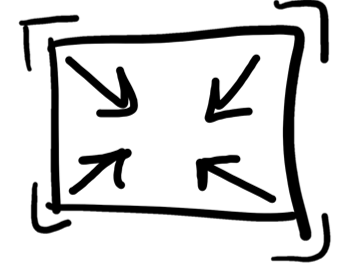
When people feel their choice is being taken away, they defend the way they work today. Even if they understand your arguments.
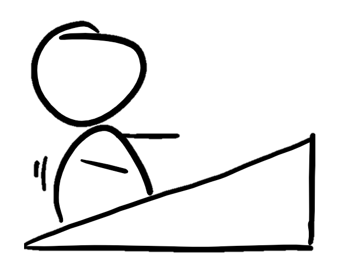
People nod, then return to familiar solutions. Uncertainty, effort and an unclear first step keep them where they are.
The Meaning Makers perspective
You explain the future state. You show how the change will help. Yet people keep working as before. That is because a more attractive future is only part of the picture. Your audience also weighs what it may lose by leaving the current way behind. Before you focus on the benefits, find out what is holding people where they are. During the workshop, you’ll learn how to address those barriers without adding pressure.
FIRST INSTINCT
Show even more benefits.
A DIFFERENT APPROACH
First find out what is keeping people with the current approach.
FIRST INSTINCT
Push harder for change.
A DIFFERENT APPROACH
Restore a sense of control and reduce concerns about the first step.
FIRST INSTINCT
Convince people the change will pay off.
A DIFFERENT APPROACH
Show what it costs to keep doing things as they are.
A pragmatic, dynamic flow. Lots of examples that were well matched to the topics being discussed.

After the workshop
You recognize status quo bias, perceived cost of change, anticipated regret and choice difficulty—and explore how each may shape your situation.
You notice when a message threatens a sense of control or freedom to choose. You distinguish doubts about the idea from reactions to how it is presented.
You use questions, a clear reason and genuine options. You help people understand the change and retain a say in how they take the first step.
You explain why change matters and what it costs to keep working as before. You reduce uncertainty and help the team identify a clear, feasible first step.
You anticipate the team’s questions and concerns. You account for them in your communication from the start, rather than waiting to respond to resistance.
When you introduce new processes and tools, change how teams work together, adopt AI or build support for a new initiative. In conversations with your team, another department or the people whose decisions shape implementation.
Practice with your own situation
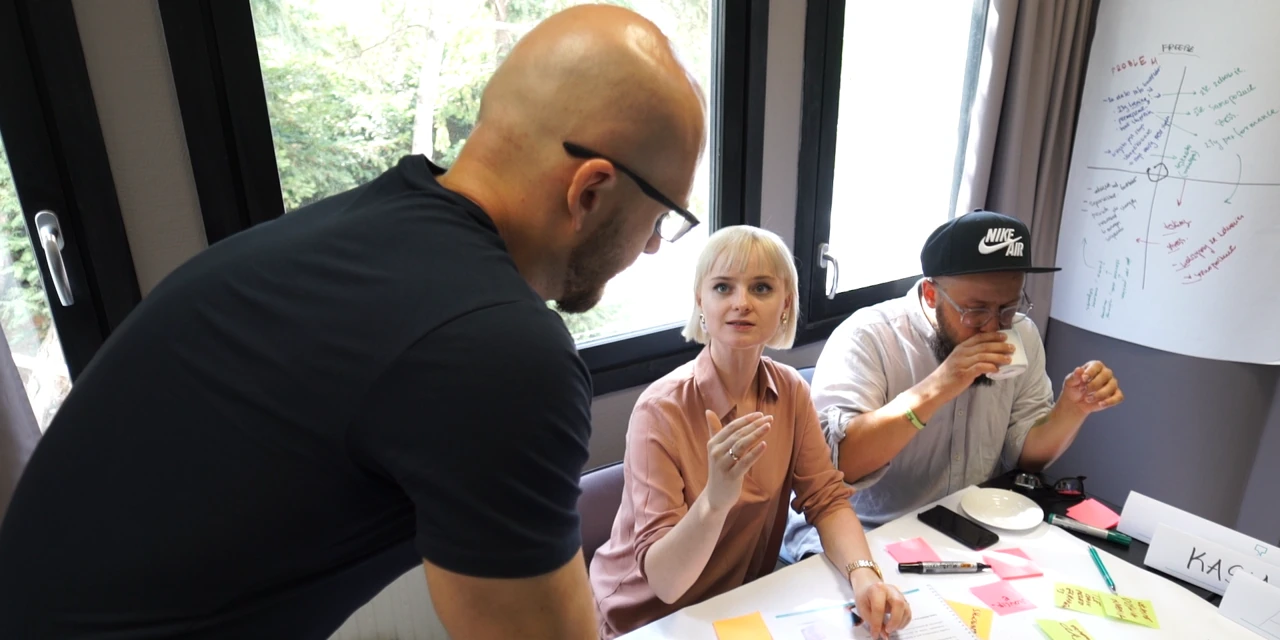
You work on your own situations and messages. Together, you identify what is holding the audience back, prepare for the conversation and practice it. With the trainer’s feedback, you refine the message and how you respond to concerns.
We run the workshop in Polish or English, including for international teams. Our confidence in facilitating in both languages comes from delivering workshops in more than 30 countries.
In person or online. We tailor the scope to your team’s needs.
Great energy, ease in sharing knowledge and examples, engaging participants, and a good idea to explore the workshop topic through a film.
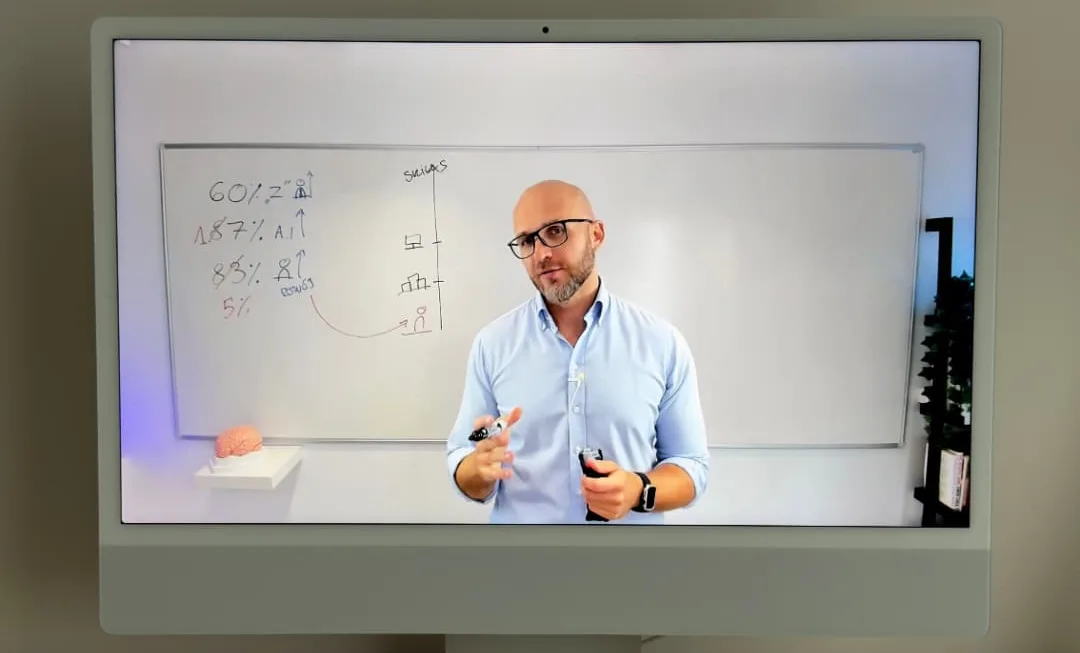
From workshop to practice
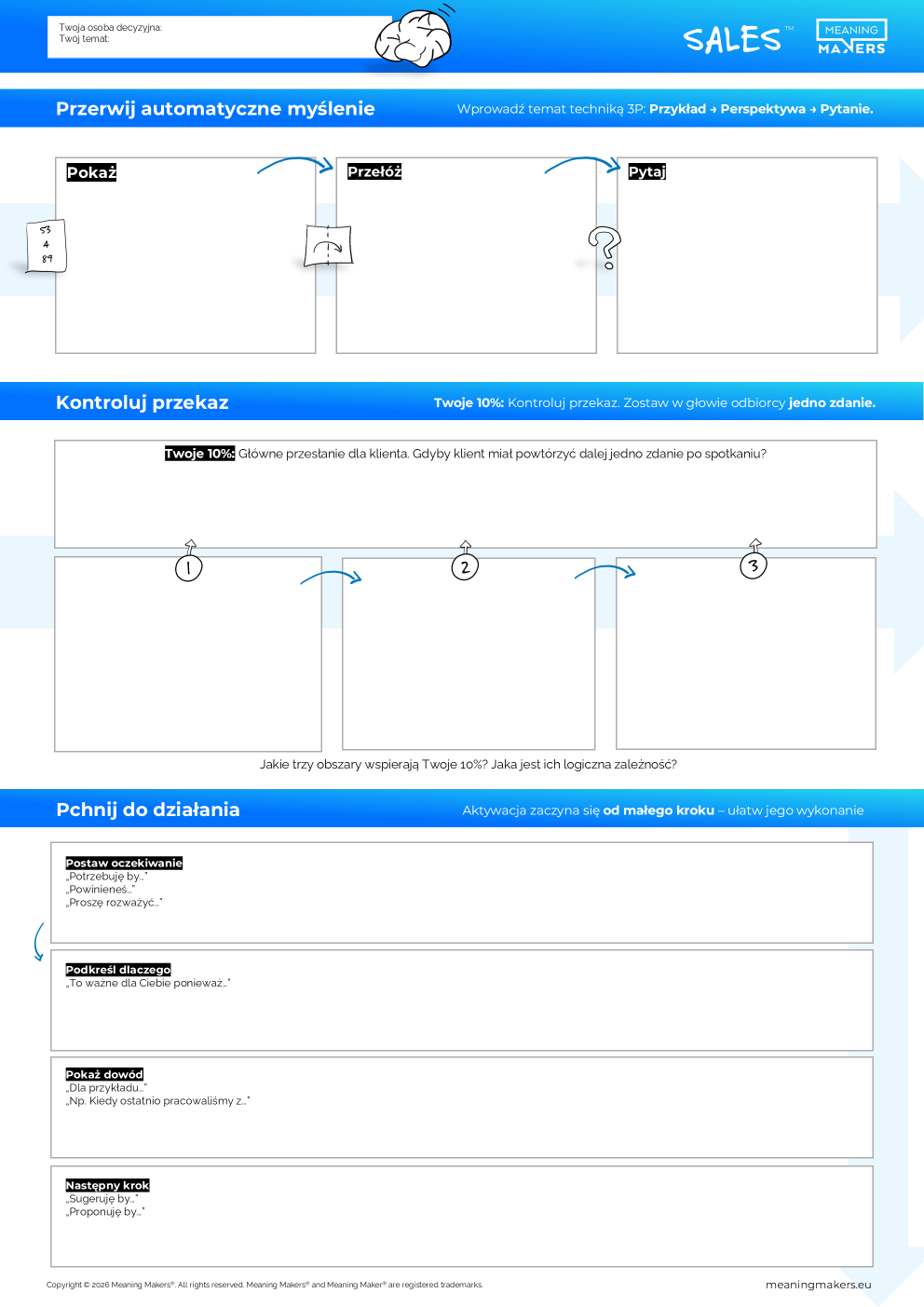
When you prepare your next change communication, the planner guides you through the key questions, while the AI coach helps you refine your message.
Questions and a clear structure help you find the point, organize your arguments and plan your change communication.
AI support helps you refine a message using your own topic and materials.
Meaning Makers articles
Three articles on the status quo, lowering barriers and building influence without pressure.
We have delivered a change communication program for Capgemini teams.
You do not need a finished brief. Start with the situations your team is facing.
In conversation, we’ll clarify the goal and choose the scope, format and length of the workshop.
We’ll agree which situations and materials participants will bring, so they can practise what they really need.
Let’s talk
Tell us what needs to work differently and what is holding your team back. We’ll shape the workshop around the conversations ahead of you.
You do not need a finished brief.
Send an enquiry. We’ll get back to you to discuss your team’s situation and what working together might involve.