
You concede. You teach the other side to ask for more.
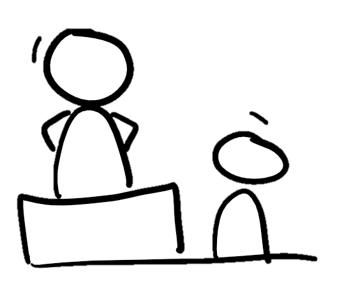
It matters not only how much you give away, but when, in what order and on what terms. Your concessions teach the other side whether to keep pushing.
Negotiation and conversation preparation
A client asks for extra scope. Someone moves up a deadline. Another department wants to change priorities. Even if you don’t call these conversations negotiations, you are deciding who takes on the work, cost and responsibility.
At the workshop, you prepare your team to recognize these moments and handle the conversation deliberately.
So you can protect the value of your work and reach an agreement without unnecessary concessions.
Sound familiar?
It matters not only how much you give away, but when, in what order and on what terms. Your concessions teach the other side whether to keep pushing.
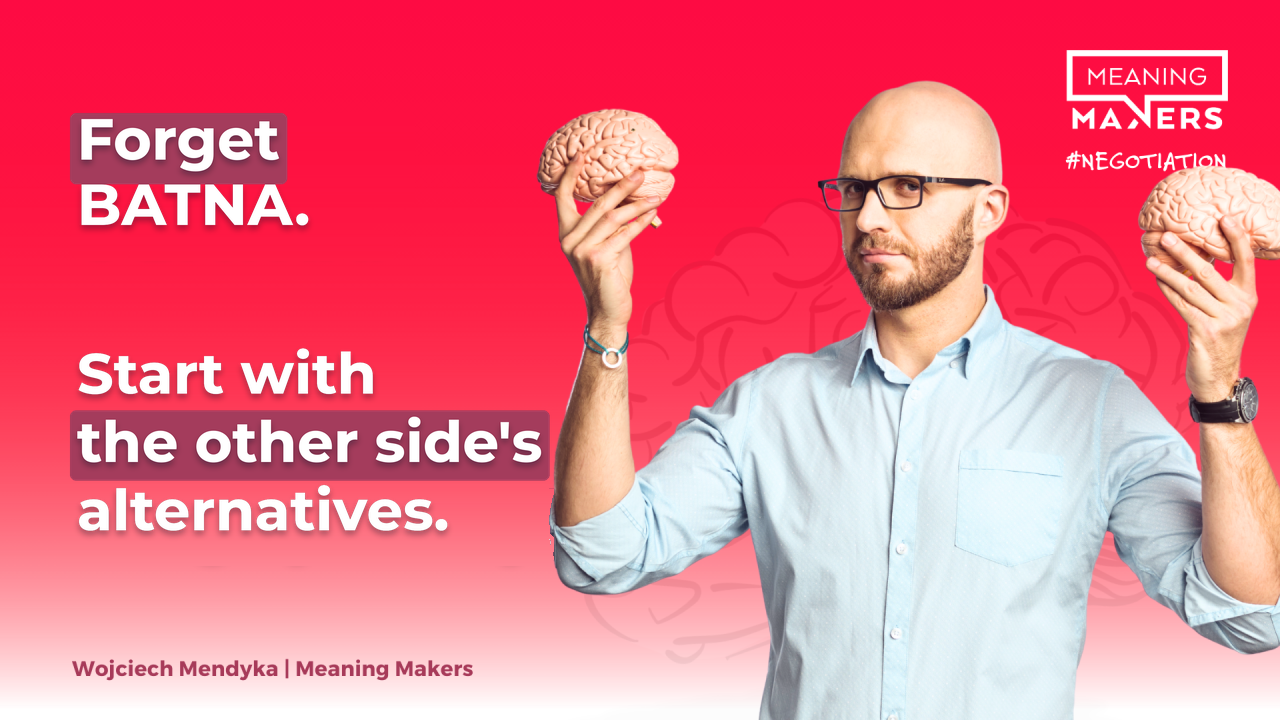
You prepare arguments but don’t check what alternatives the other side has. You take their confidence as proof of an advantage.
A deadline, silence or a demand throws you off balance. You react instead of deliberately deciding on your next step.
The Meaning Makers perspective
You concede to ease the tension. You add more arguments to persuade the other side. You suggest meeting halfway to be fair. Each move can seem reasonable. Each can also weaken your position. At the workshop, you explore when to do something other than what your first instinct suggests.
FIRST INSTINCT
Concede to ease the tension.
DELIBERATE MOVE
Before you concede, decide what you will receive in return.
FIRST INSTINCT
Add more arguments to persuade them.
DELIBERATE MOVE
Ask a question that reveals what is really blocking an agreement.
FIRST INSTINCT
Meet halfway to be fair.
DELIBERATE MOVE
Find out what each side values differently and what you can exchange.
The workshop broadened my perspective and gave me tools I can use straight away.

After the workshop
You analyse your own alternatives and the other side’s options. You separate facts from assumptions before you set your goal and limits.
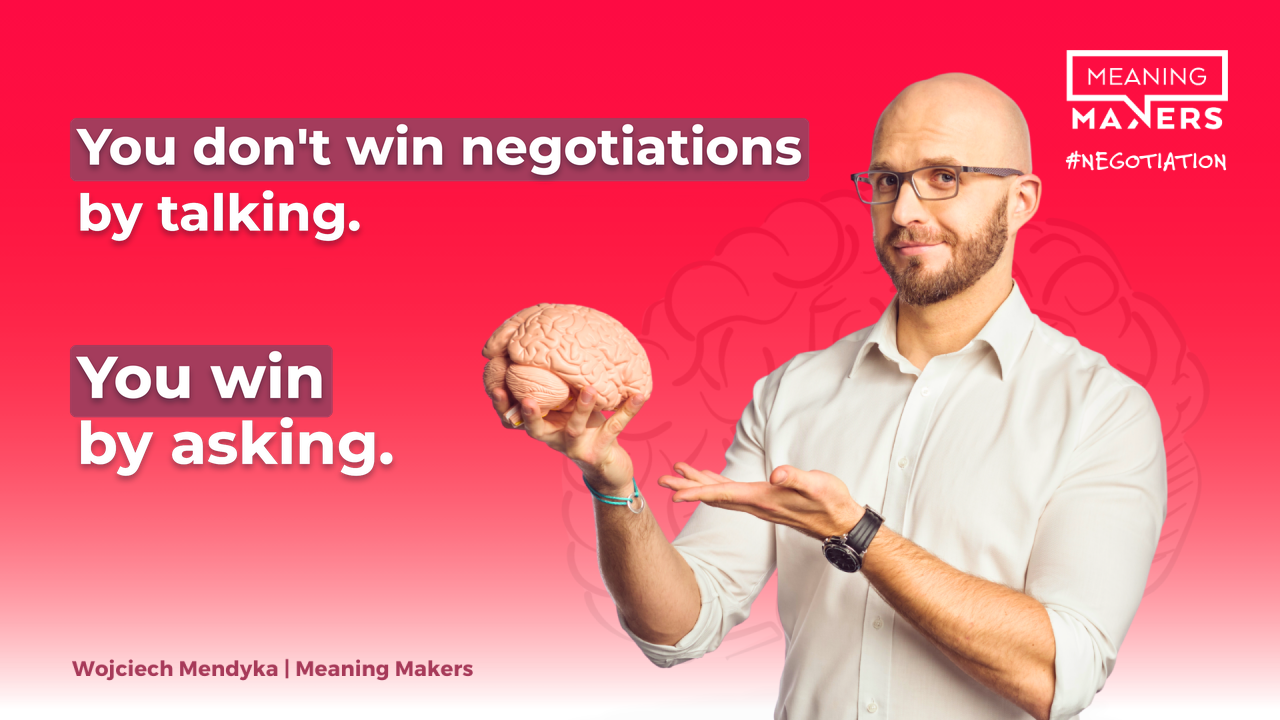
You prepare questions about priorities, constraints and options. You also decide deliberately what information to reveal and when.
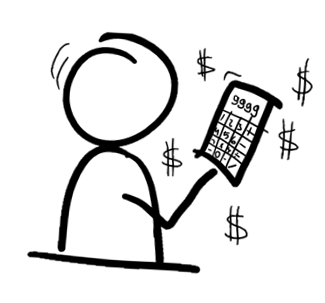
You present terms in the context of value, risk and available alternatives. You discuss what they mean instead of stopping at price alone.
You tie concessions to conditions and look for elements that are worth different amounts to each side. You build proposals that go beyond a single discount.
You recognize when to make a demand, when to ask questions and when to set a difficult issue aside. You do not automatically concede to ease the tension. You choose your next step based on the situation, your goal and the relationship.
A client asks for extra scope. A deadline gets shorter. Another department changes priorities. In each of these conversations, you decide who takes on the cost, work and responsibility. Prepare your team to protect value in everyday collaboration, too.
Practice on your own situation
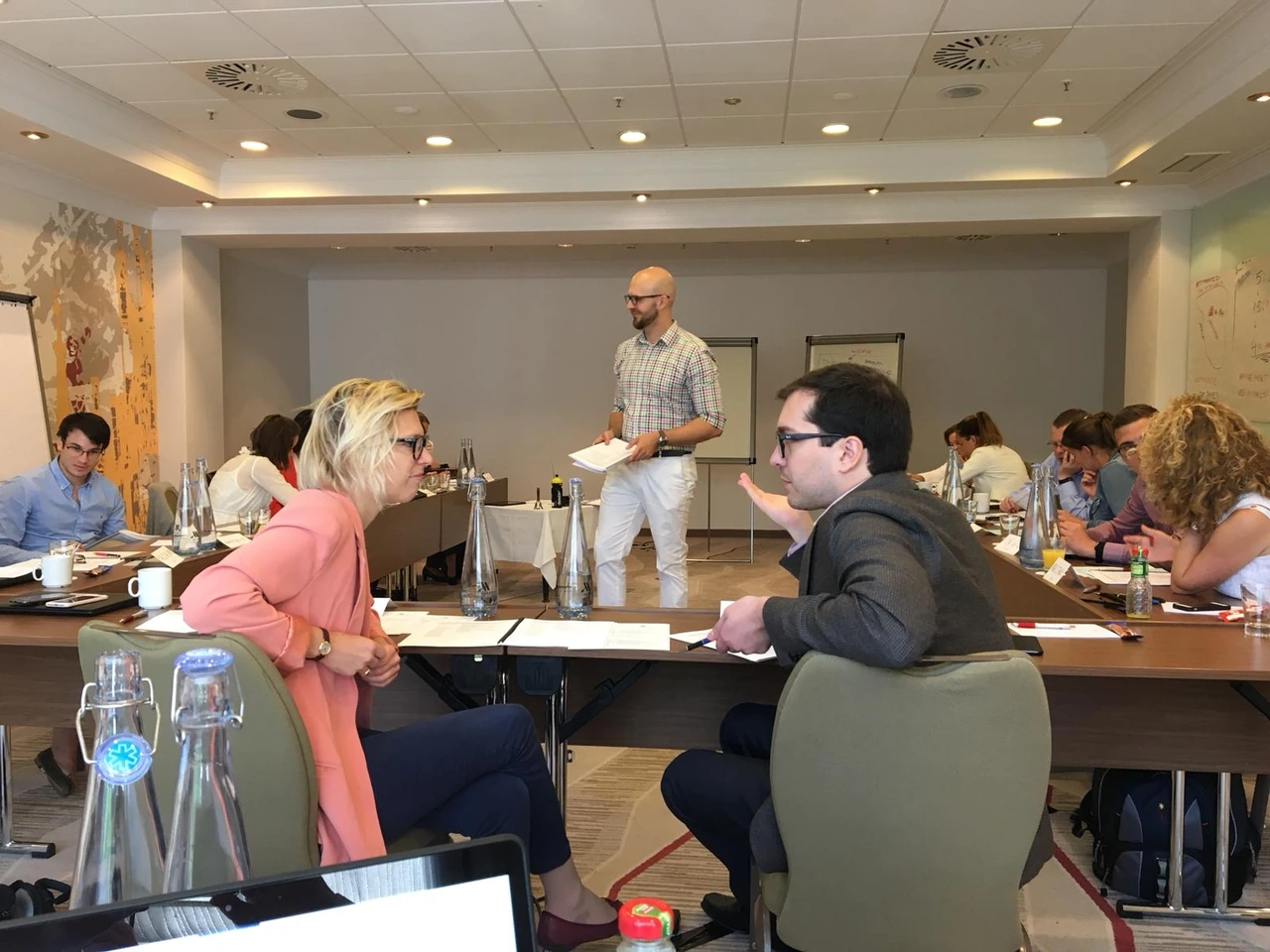
You work on your team’s situations and challenges. First, you negotiate in a simulation, then analyze your decisions and their consequences. You learn what drives the conversation and test a different approach in the next exercise. With feedback from the trainer, you refine your preparation for your own negotiations.
You learn a framework that lets you organize your goal, assess your position and choose a direction in 10 minutes. In more complex negotiations, it becomes the starting point for deeper preparation.
We run the workshop in Polish or English, including for international teams. Our confidence in facilitating in both languages comes from delivering workshops in more than 30 countries.
In person or online. We tailor the scope to the negotiations your team faces.
I already had a chance to apply some of the techniques during the course.
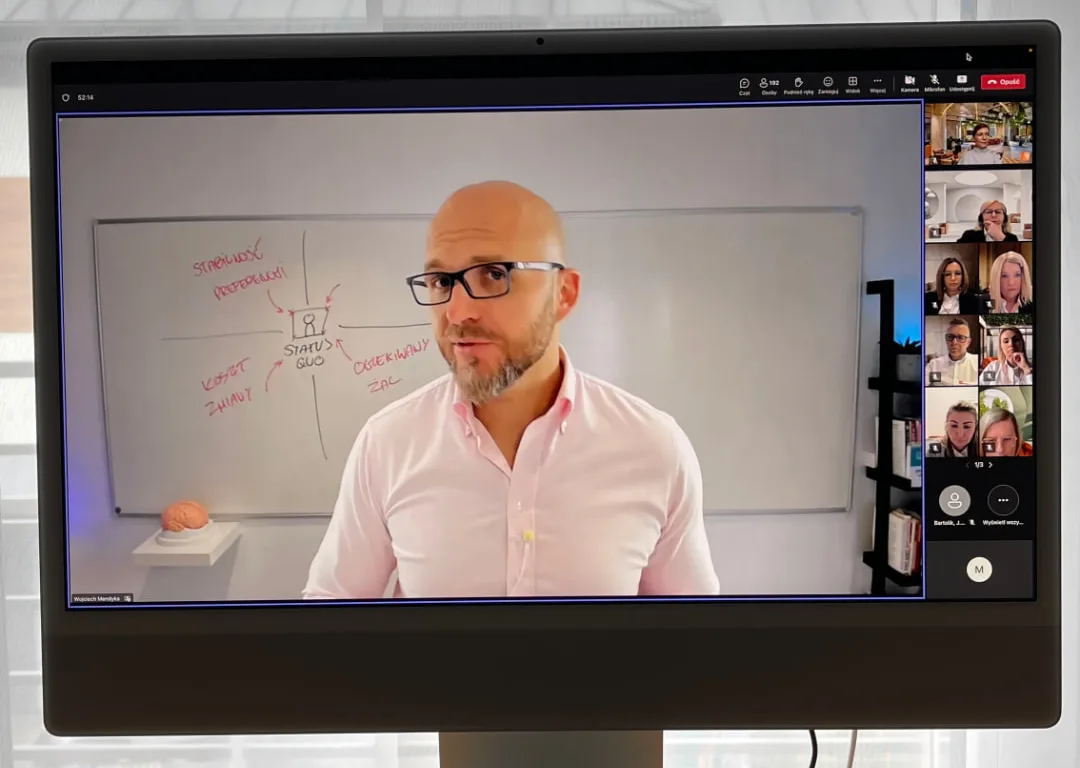
From workshop to practice
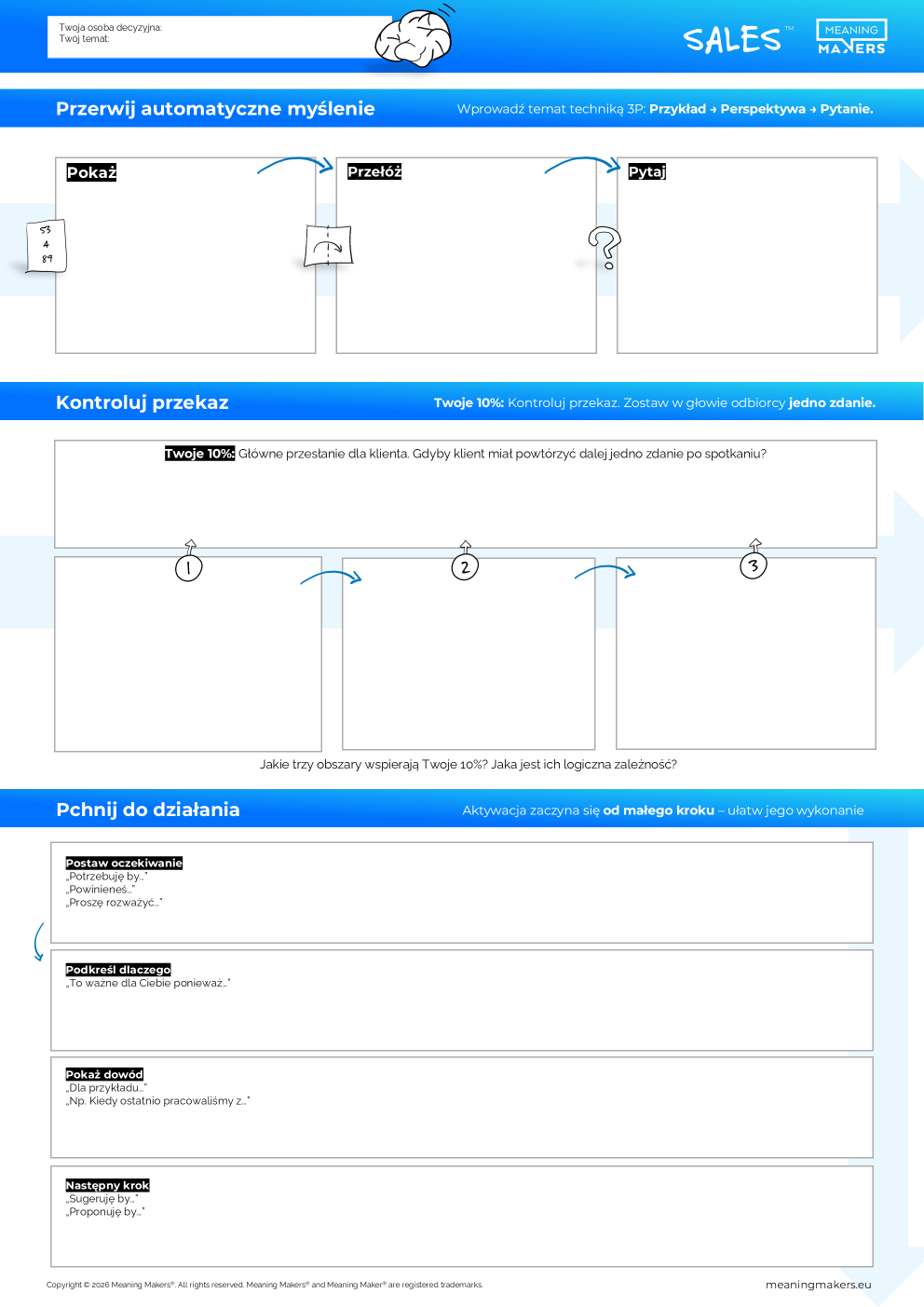
When you prepare your next negotiation, the planner guides you through the key questions, while the AI coach helps you refine your message.
Questions and a clear structure help you find the point, organize your arguments and plan a negotiation.
AI support helps you refine a message using your own topic and materials.
Meaning Makers articles
Start with three perspectives that change how you prepare for the conversation.
You do not need a finished brief. Start with the situations your team is facing.
In conversation, we’ll clarify the goal and choose the scope, format and length of the workshop.
We’ll agree which situations and materials participants will bring, so they can practise what they really need.
Let’s talk
Tell us who you negotiate with and what makes it difficult today.
You do not need a finished brief.
Send an enquiry. We’ll get back to you to discuss your team’s situation and what working together might involve.