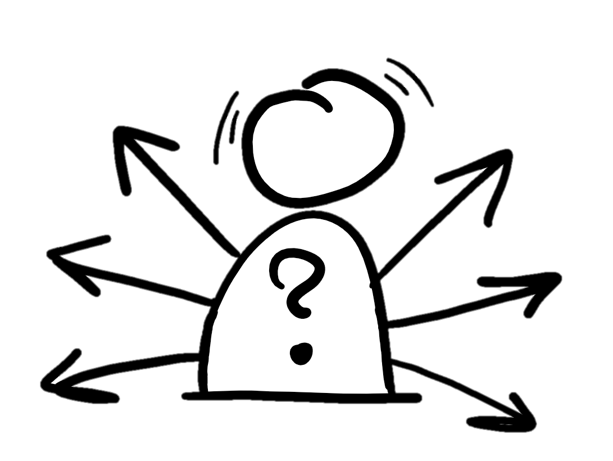
Your team covers everything. The audience misses the point.
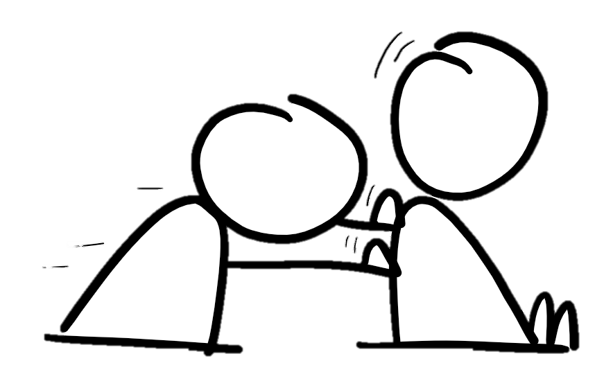
The presentation is full of information, but it is hard to see what matters most.
Presentations and effective communication
You can have great slides and sound arguments, and your audience may still miss why your topic matters to them. Before you decide what to say, understand what they need to see.
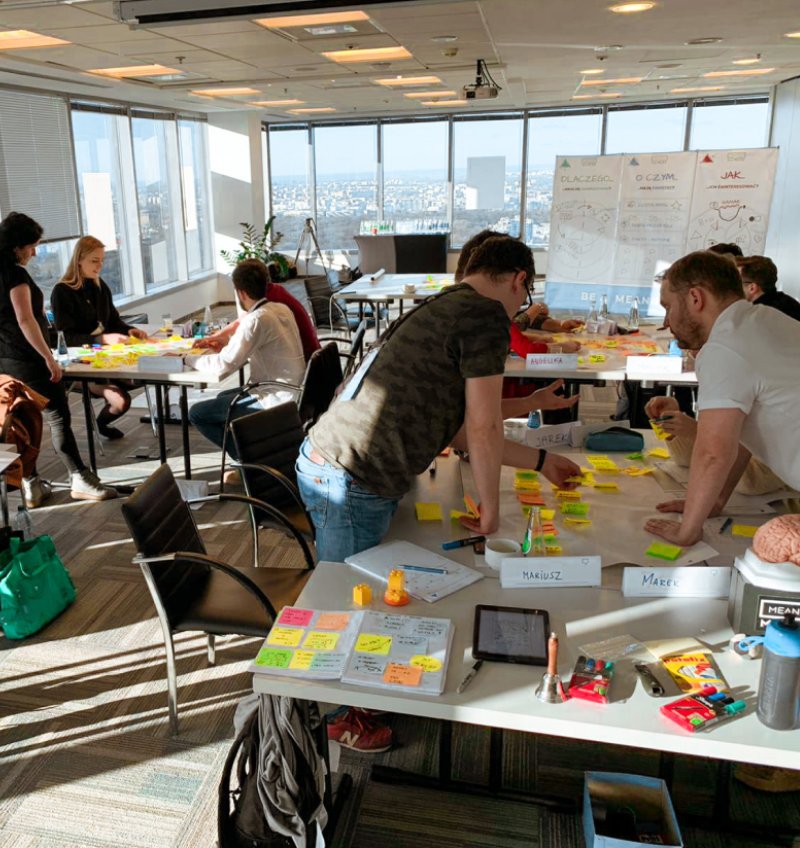
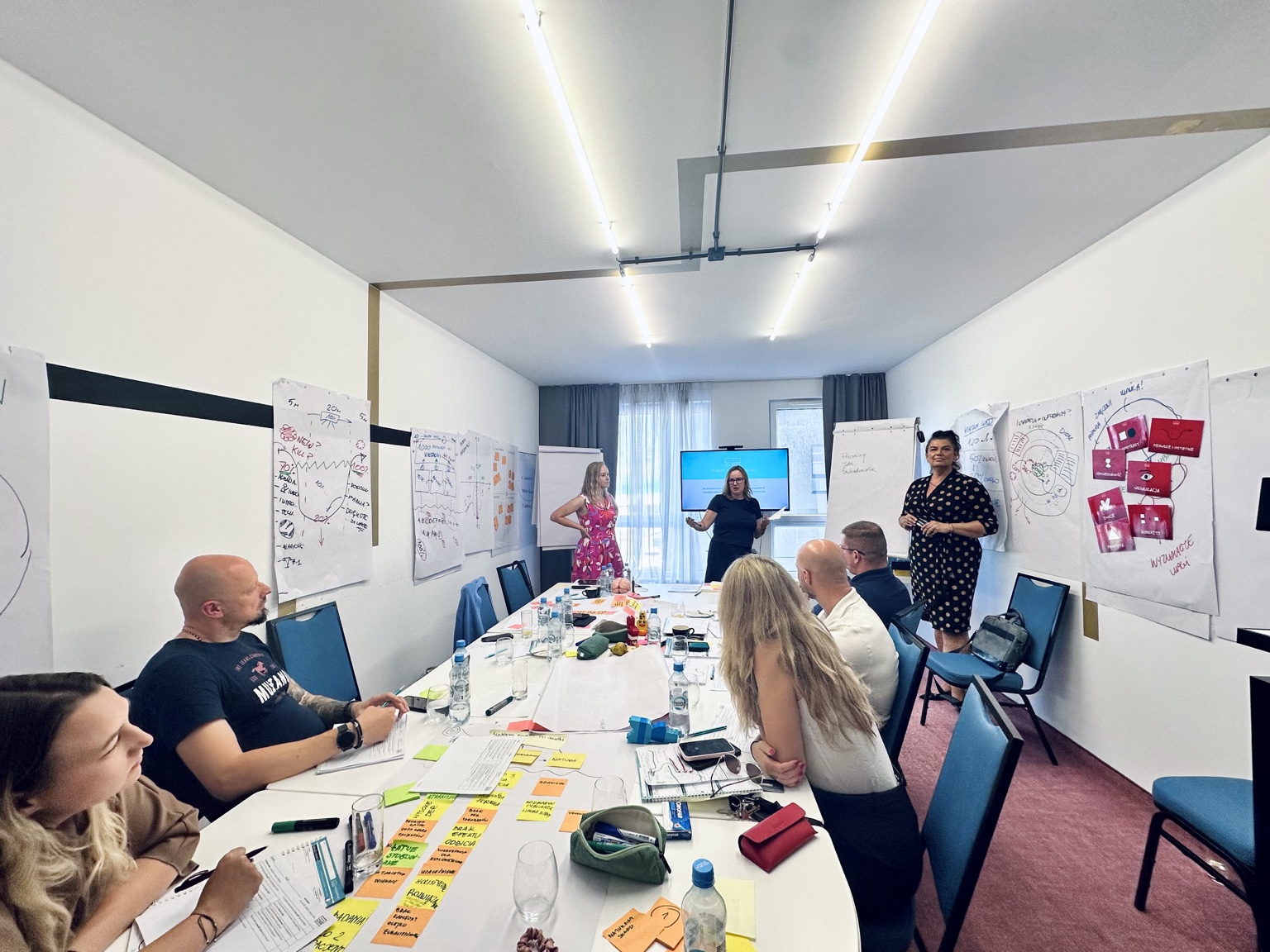
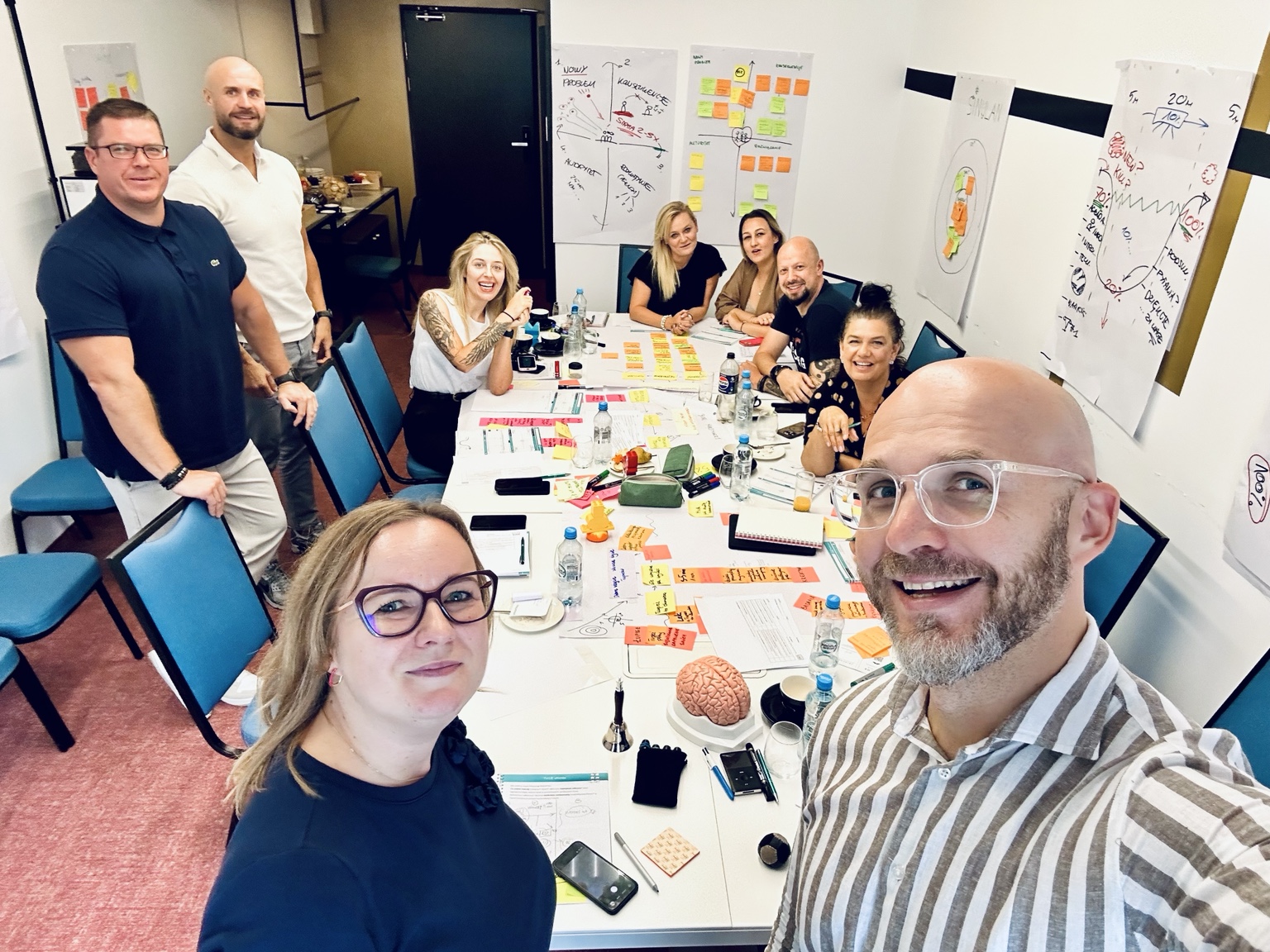
During the workshop, your team works on its own presentations. They find the core message, show why it matters and guide the audience towards a concrete next step.
We’ll teach you to create a clear, effective message - with or without slides, in person and online.
Sound familiar?
The presentation is full of information, but it is hard to see what matters most.
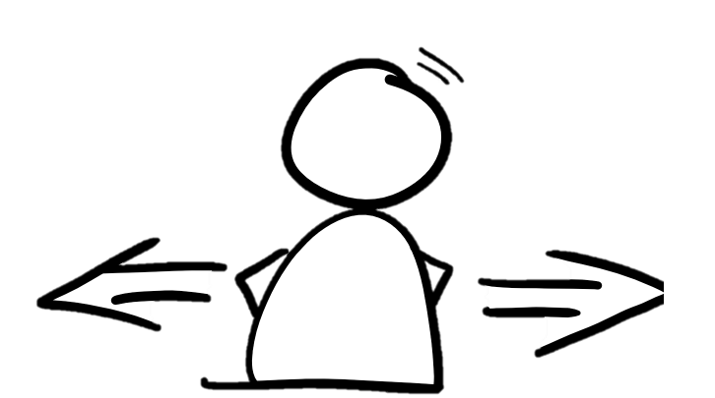
They understand what you propose, but cannot see what it would change for them.
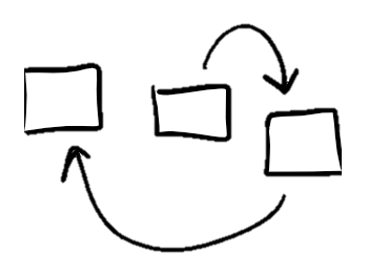
The topic has been presented, but it is still unclear what decision to make or what to do next.
Start on the other side
Saying something does not mean your audience will notice it, remember it or use it. That is why you start preparing from their perspective. This perspective changes the questions.
INSTEAD OF
What do I want to say?
ASK
What does the audience need to see to consider this important?
INSTEAD OF
How much information should I include?
ASK
What should stay with them?
INSTEAD OF
How can I make a good impression?
ASK
How can I help the audience decide or take the next step?
A very valuable workshop that completely changes my approach to presentations. Lots of tools that will strengthen the message of my presentation.

After the workshop
You organize what you know and decide what your audience should remember.
You connect your idea or recommendation to your audience’s situation and needs.
You capture and hold your audience’s attention during the presentations, meetings and workshops you lead - in person and online.
You use structure, examples and visuals that help people understand your message and remember its core.
You make clear what decision or action should follow the presentation.
In front of clients, your team, the board or a conference audience. When presenting a product, your expertise, an idea or a recommendation. You also learn to lead online meetings and presentations that engage participants and lead to concrete conclusions and next steps.
Work on your own topic
You work on your own materials and challenges. You test the methods in exercises, get feedback and improve your message. Each new version should serve your audience better.
We run the workshop in Polish or English, including for international teams. Our confidence in facilitating in both languages comes from delivering workshops in more than 30 countries.
In person or online. We tailor the scope to your team’s needs.
Wojtek, you captured 100% of my attention [...] I switched off system distractions myself so I could focus on the workshop - I did that for the first time!
From workshop to practice
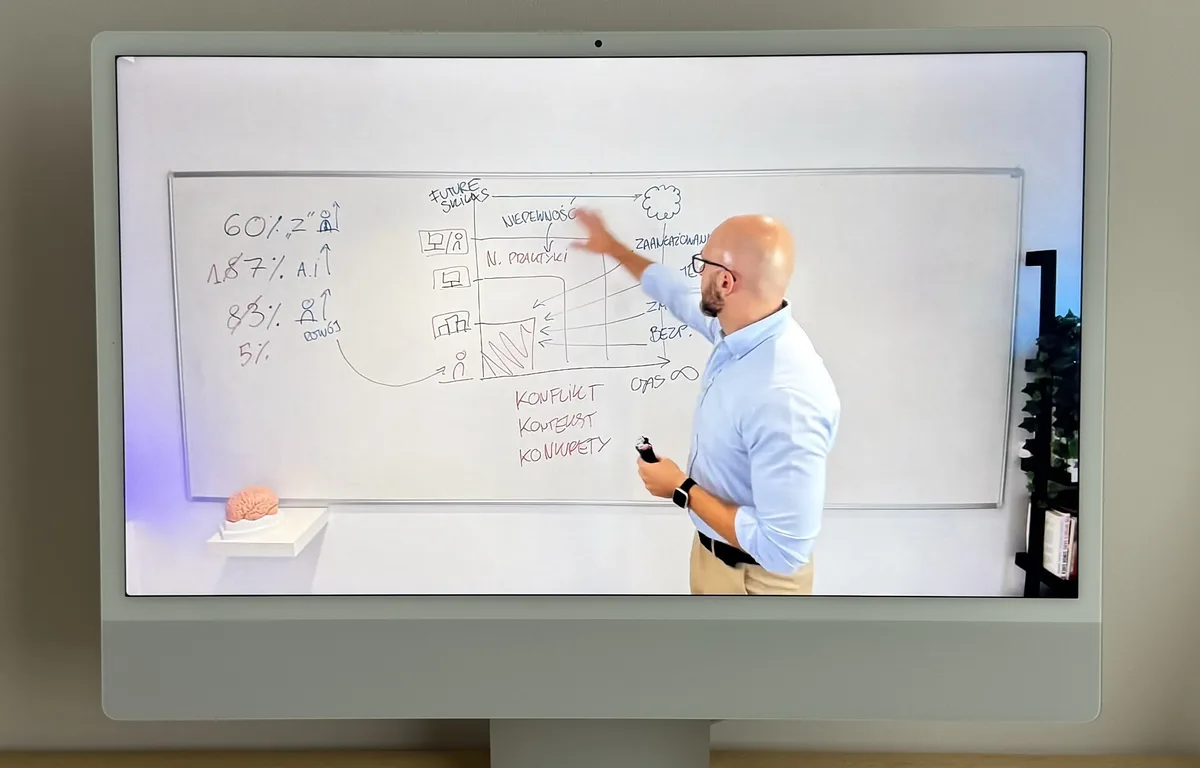
When you prepare your next presentation, the planner guides you through the key questions, while the AI coach helps you refine your message.
Questions and a clear structure help you find the point, organize your arguments and plan a presentation.
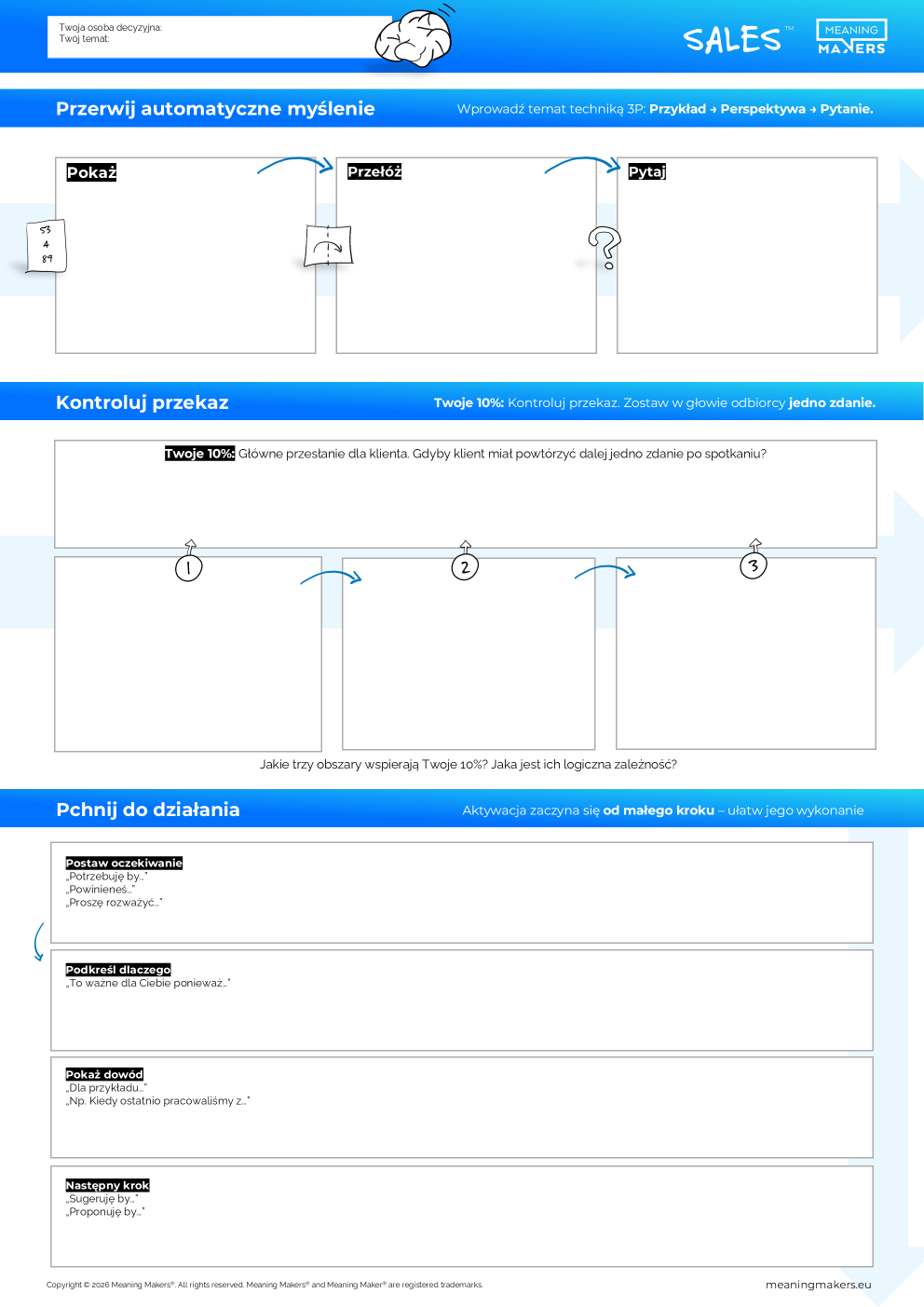
AI support helps you refine a message using your own topic and materials.
Client story
STADA · PRODUCT PRESENTATIONS
The STADA team wanted to engage pharmacists more effectively, capture their attention, and give presentations people genuinely want to listen to. They expected a few practical tips and tools. As Agnieszka writes: “We came away with something much bigger.”
Agnieszka describes the shift directly: “Our approach to presentations, communication, and even everyday work was turned upside down.” The team realized that a good presentation builds an experience, emotions, and audience engagement rather than simply conveying information.
They use the new approach when speaking to larger audiences and in everyday collaboration. As Agnieszka writes: “We can no longer watch presentations the way we used to.” They examine every slide, every sentence, and the way a narrative unfolds, taking it all apart to understand what works. The representatives simply call these techniques “myki Mendyki” — Mendyka’s tricks.
We realized that a good presentation is not about sharing information, but about creating an experience, emotions, and audience engagement.
This was meant to be a workshop on presentations. It turned out to be a course in changing the way we think about communication.
You do not need a finished brief. Start with the situations your team is facing.
In conversation, we’ll clarify the goal and choose the scope, format and length of the workshop.
We’ll agree which situations and materials participants will bring, so they can practise what they really need.
Let’s talk
Tell us about the situation you want to change.
You do not need a finished brief.
Send an enquiry. We’ll get back to you to discuss your team’s situation and what working together might involve.
Explore how we think about presentations and the messages behind them.